Concealed is nine years old, and for most of that time we were a general studio. We did marketing sites, and we did development work, taking it largely as it came and building with whatever the project called for. That served us, but it meant we were a bit of everything to everyone.
Over the last two years we made two deliberate choices about what we are.
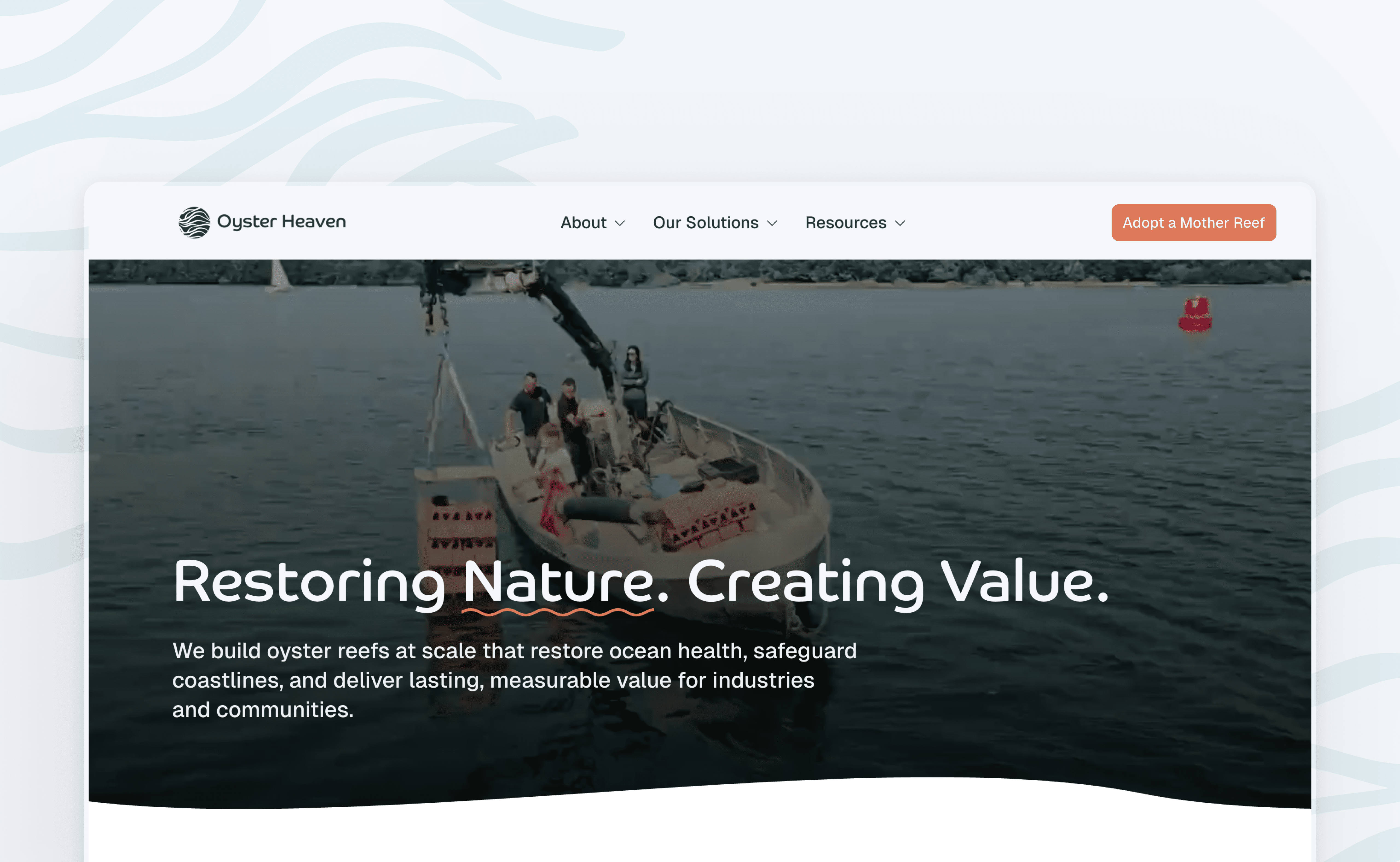
The first was Framer. Our marketing sites had been built across the usual mix of tools, and we committed to Framer as the way we build them now. We're a Framer Pro Studio now, and we chose it for a reason: it collapses the slowest, most expensive step in building a marketing site, the handoff from a design file to a developer who rebuilds it from scratch. Building directly in Framer means the thing we design is the thing that ships, and clients go live in days instead of months. That bet has paid off harder every quarter, and the tools keep getting better at it.
The second choice was on the development side. Instead of taking on generic builds, we narrowed to one thing we'd found we were unusually good at: custom internal tools for the companies that need them.
That second shift came from the work itself. We kept being asked to build software for companies whose spreadsheets had stopped keeping up. One team was running everything through Microsoft Teams sheets held together with custom scripts that kept failing or hitting their run limits, so the numbers were never quite trustworthy. Another was taking more orders than its paper process could track without mistakes. Neither of them needed a better website. They needed the software underneath, built for how they actually worked instead of bought off a shelf and forced to fit. The more of that we did, the clearer it became that this was the work we wanted.
So here's what Concealed is now. A Framer agency for marketing sites, and a studio that designs and builds custom internal tools for small and medium businesses. SaaS dashboards on one side, software to manage teams, track production, and run the day-to-day on the other.
Why build a custom internal tool instead of buying software off the shelf?
Most companies our clients' size get offered two options, and both are bad. Buy off-the-shelf software that almost fits, and bend the business to match it. Or pay enterprise prices for fully custom development and wait a year to see anything. For a 20-person company that knows exactly how it works, neither is a good trade.
There's a third option, and it's the one we've settled into. We build custom tools quickly, designed to fit the business rather than the other way around. Build versus buy stops being a compromise when the custom side is genuinely affordable and genuinely fast. We can work that quickly because we've spent years building SaaS dashboards, which taught us how to make complicated internal screens that people can actually read and trust.
What about just building it yourself with AI?
This is the option more people are reaching for now, and we'd be lying if we pretended it wasn't. You can sit down with an AI tool and have something working in a weekend, without us and without a budget. For a quick prototype, that's genuinely useful, and we've watched clients do it to get moving while we build the real thing.
Where it breaks is everything after the first version. The AI writes code you didn't write and don't fully understand, and the first few features go in fine. Then you add another, and it quietly breaks something else, and you can't tell why, because you were never holding the whole thing in your head to begin with. One client came back to us a few months into building his own app and admitted he no longer felt able to manage it. He'd been able to get it built, but keeping it running and changing it safely was a different problem entirely.
That's the part that doesn't show up in a demo. Software isn't the moment it starts working, it's the years of it staying working while the business changes around it. Someone has to understand how it fits together, fix it when it breaks, and add to it without the whole thing wobbling. That's the part you're actually paying a studio for, and it's the part AI is furthest from doing on its own.
How does website work translate to internal tools?
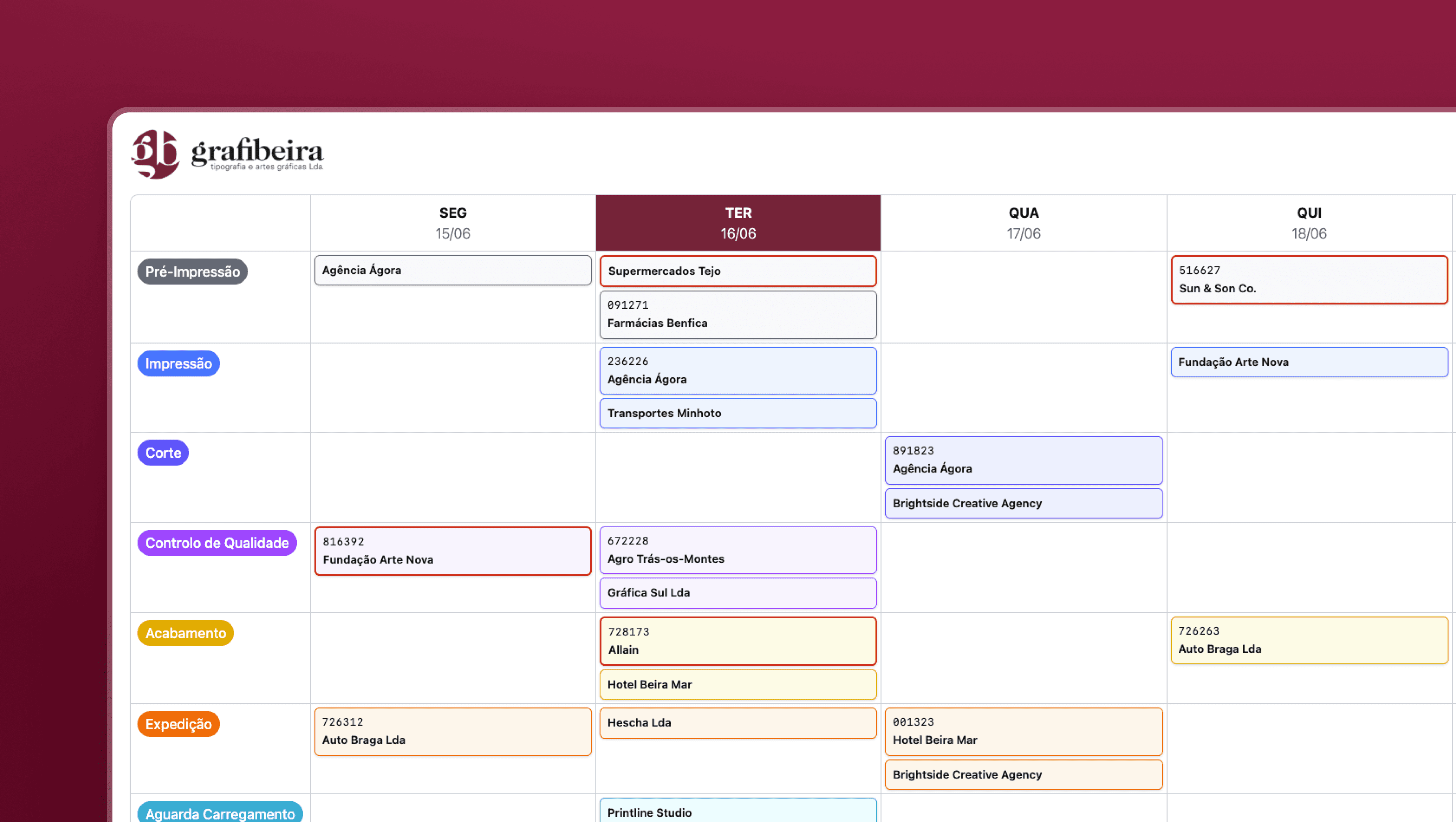
It turns out the work isn't that different. A marketing site, a SaaS dashboard, and an internal tool all start the same way: you watch how someone actually uses the thing, and you take out whatever slows them down. We've done that for software companies for nine years. Doing it for a warehouse or a production line uses the same approach, and the results are easier to measure. One client - Grafibeira - told us their team is saving two hours a day with the tool we built them, because we designed it around the work people were already doing.
Narrowing down like this is a risk. You say no to more work than you used to, but the work you keep gets better, and the companies we build for now get a studio that does their kind of problem all day, not occasionally.
If your team is held back by tools that almost work, spreadsheets stretched past their limit, software that doesn't fit how you actually operate, that's the kind of problem we like.
Frequently Asked Questions
What is a Framer Expert studio?
A Framer Expert studio designs and builds websites directly inside Framer — a tool that collapses the traditional gap between design and development. Instead of designing in one tool and rebuilding in another, the design is the product. Sites ship faster, changes are easier, and the output is a live, production-ready website.
Why use Framer instead of WordPress or Webflow?
Framer eliminates the handoff step between designer and developer. The same person who designs the site publishes it, which means faster timelines, fewer translation errors, and a cleaner codebase. For marketing sites that need to look good and move quickly, it's the most efficient tool available.
What is a custom internal tool?
A custom internal tool is software built specifically for how one company works — not bought off a shelf and adapted. It might be a dashboard that tracks production, a system that manages orders, or a tool that replaces a spreadsheet that's stopped keeping up. It's built around the team's actual workflow, not the other way around.
Why build a custom tool instead of using off-the-shelf software?
Off-the-shelf software fits most companies but fits no company perfectly. For businesses with specific workflows, buying generic software means bending the business to match the tool. A custom tool is built to match the business, which means it's faster to use, easier to trust, and doesn't require workarounds.
How long does it take to build a custom internal tool?
Most of the custom internal tools we build are scoped, designed, and delivered in weeks rather than months. The timeline depends on complexity, but because we've spent years building SaaS dashboards and internal interfaces, we work quickly through problems we've solved before.
How is Concealed different from a general web agency?
We work on two specific things: Framer marketing websites and custom internal tools for small and medium businesses. We don't take on general development work or broad digital projects. That focus means the companies we work with get a studio that solves their kind of problem every day, not occasionally.
Written by João Saraiva, CEO at Concealed — a Framer Expert studio based in Lisbon building fast, scalable websites and custom internal tools.
Ready to move faster without compromising quality?
We work with ambitious teams to design and build digital products — fast, in-house, and with measurable results.